Trenchless Sewer Lateral Installation - Salt Lake City, Utah
Project Overview
Chamba Trenchless recently completed a residential sewer lateral installation in Salt Lake City, Utah using horizontal directional drilling (HDD). The project required installation of a new sewer service while minimizing surface disturbance and connecting to a deep utility vault.
Rather than excavating a continuous trench across the property, a trenchless approach was selected to reduce restoration requirements and provide an efficient installation solution.
Project Challenges
This installation presented several unique challenges:
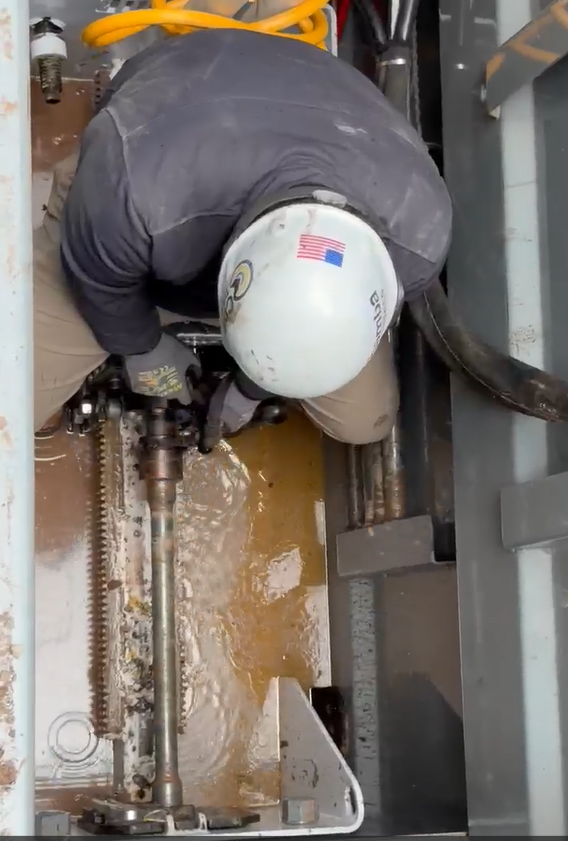
Deep utility vault connection
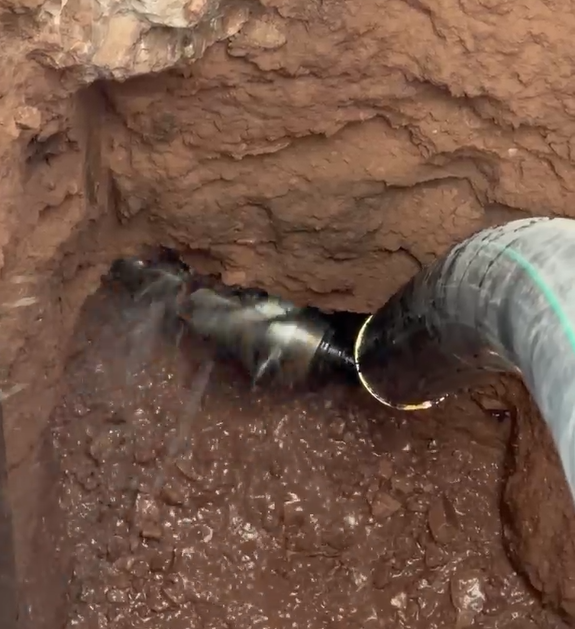
Groundwater infiltration within the excavation
Maintaining proper sewer grade requirements
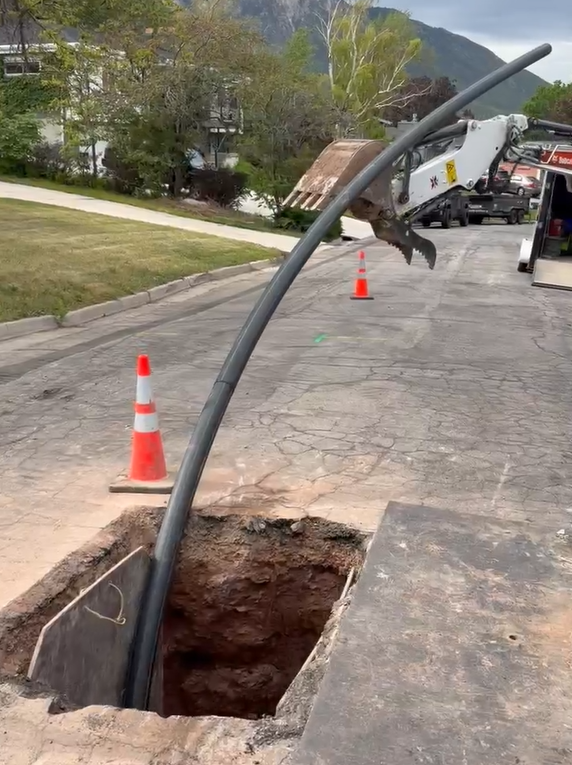
Limited excavation area
Existing underground utilities requiring careful coordination
Successful completion required detailed planning and careful execution throughout the installation process.
Trenchless Solution
Chamba Trenchless utilized horizontal directional drilling (HDD) to install the new sewer lateral while minimizing disruption to the surrounding area.
The installation included:
Directional bore installation
HDPE sewer service pipe
Deep vault connection
Groundwater management during construction
Final connection and testing
This approach reduced the amount of surface excavation required and minimized restoration impacts.
Results
✔ New sewer lateral successfully installed
✔ Minimal surface disruption
✔ Reduced restoration requirements
✔ Safe connection into existing utility infrastructure
✔ Project completed using trenchless construction methods
Why Trenchless?
Many property owners assume sewer replacement always requires extensive excavation. In many situations, horizontal directional drilling can provide a practical alternative that reduces impacts to landscaping, pavement, and existing site improvements.
Every project is unique, and the best installation method depends on site conditions, utility conflicts, grade requirements, and access constraints.